

END-TO-END PROCESS AUTOMATION
End-to-end business process automation
Task automation is easy to buy and easy to stall. A bot handles one screen, a script moves one file, and the process still stops every time it reaches a person, a decision, or another system. End-to-end process automation solves the whole flow, not a fragment of it. We orchestrate people, robotic steps, system integrations, and AI into a single governed process that starts at the trigger and runs to the outcome, so a case moves from request to resolution without falling into the gaps between disconnected tools.
- An orchestration engine that owns the process, not another silo beside it
- The right capability per step: RPA, integration, AI, or a human task
- Exceptions escalated safely, then returned to the flow, with a full audit trail
The engine that finishes a process sits above your systems, not beside them.
The orchestration engine owns the process. Each tool is a capability it calls, not a separate mini-automation to maintain. This is the delivery core of Intelligent Automation, and it runs on the flows mapped by Intelligent Process Mining. Trigger, orchestration, execution, integration, exception handling, and monitoring. One governed flow from request to resolution, with a full audit trail.
Trigger and intake
Start the process from an event, request, document, or system signal. One entry point for the whole flow.
Orchestration engine (iBPMS)
Run the BPMN flow, routing each case through the right steps and decisions. The engine owns the process.
Task execution
Coordinate human tasks, RPA bots, service calls, and AI or agent steps. The right capability for each step.
Integration fabric
Connect the systems of record the process must read and update. System reach without a new silo.
Exception and human-in-the-loop
Escalate judgement calls to people, then return them to the flow. Control is deliberate, not accidental.
Monitoring and control
Track SLAs, exceptions, and throughput across the whole process. Visibility on the flow, not just the task.
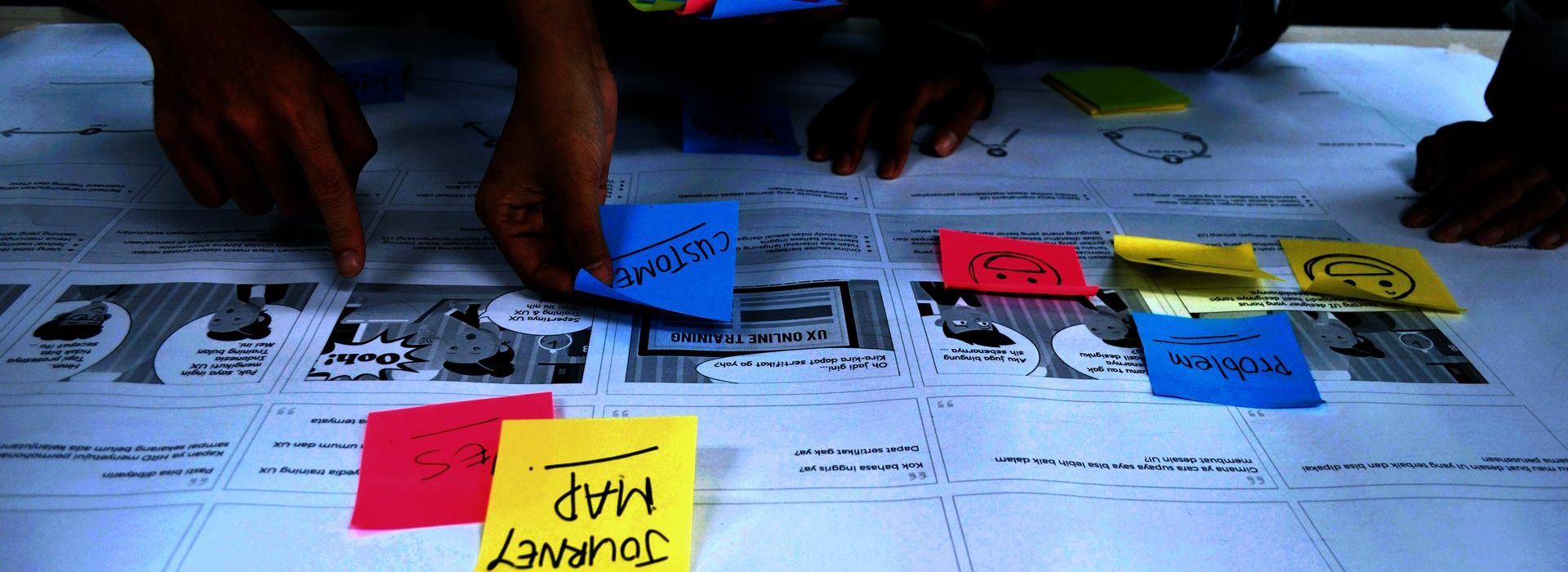
Run the flow from trigger to outcome, without the gaps between disconnected tools.
Whole-process automation works because each step uses the right capability.
- Rule-based, structured steps route to RPA.
- Variable, judgement-heavy steps route to AI or Agentic AI.
- Document-heavy steps route to Intelligent Document Processing.
- The orchestration layer ties them into one flow with a full audit trail.
Five steps, from the whole journey to a governed, monitored run.
Map the end-to-end flow
So automation targets the whole journey, not the loudest task.
Design the orchestration
In BPMN, deciding the automation-versus-human boundary at every step.
Compose the capabilities
RPA, integrations, AI, and human tasks, under one engine.
Build in exceptions and controls
So edge cases escalate safely instead of breaking the run.
Deploy, monitor, and tune
With Process Performance Monitoring live from day one.
One engine, composing the capabilities you already run.
A representative stack by layer. We compose your existing tools under one flow rather than replacing them.
Delivered through Business Process Management (iBPMS). See our UiPath partnership. Figures are placeholders; Softobiz to verify against your environment.
From automated tasks to a flow that finishes on its own.
Challenge: Equalis Group had automated individual tasks, yet the end-to-end process still took [X days] because every handoff between bots, systems, and teams was manual.
Approach: An iBPMS-orchestrated flow composing RPA, system integrations, AI decisioning, and human-in-the-loop review, with monitoring on every step.
Result: Straight-through processing on standard cases, exceptions escalated cleanly, and cycle time cut to [Y hours] with a full audit trail. (Softobiz to verify.)
The rest of the process mining practice.
Process Discovery and Mapping
The evidence-based as-is map that tells you what to orchestrate first.
Process Performance Monitoring
Continuous mining that keeps the automated flow inside its intended path.
Root Cause Analysis
Trace an exception or a stalled case back to the driver behind it.
Intelligent Process Mining
The parent practice these services belong to.
What automation leaders ask us first.
No. RPA automates tasks. End-to-end automation orchestrates a whole process, using RPA as one capability alongside integrations, AI, and human tasks, all governed by a process engine.
Wherever judgement, exceptions, or approvals belong. The orchestration escalates those steps to people and pulls the case back into the flow once resolved, so control is deliberate, not accidental.
Orchestrate a flow that runs from trigger to outcome, without the gaps.
One governed process composing people, bots, integrations, and AI, with exceptions handled and every step on the audit trail.