

QUICK SERVICE RESTAURANTS
Technology and data services for quick-service restaurants
We connect ordering, POS, inventory and workforce data so restaurant teams can respond during service. Our work includes the integration, data and operational engineering around AI-assisted ordering for national QSR operators in Australia.
- AI-assisted ordering connected to restaurant operations
- One data platform for every restaurant signal
- Automation that frees crews to serve customers
Connected operations across the restaurant estate.
Store teams need timely information across ordering, staffing and stock. We focus on the points where disconnected systems slow service.
Order handling
Voice, kiosk and counter orders need to reach the kitchen accurately, with a clear handoff when an order needs attention.
Store visibility
Managers need a consistent view of sales, stock and service across franchise and corporate locations.
Peak demand
Traffic forecasts, rosters and replenishment need to reflect the same store and daypart assumptions.
QSR technology capabilities.
Explore ordering, data and platform services that can be introduced around your existing restaurant systems.
AI ordering and conversational AI
Voice ordering for the drive-through, assistants for app and kiosk. With menu integration, order confirmation and escalation to crew members.
EXPLORE02Restaurant data platforms
Connect POS, mobile, loyalty, supply chain and finance data for governed operational reporting.
EXPLORE03Demand forecasting
Forecast traffic by store and daypart to inform roster and stock decisions.
EXPLORE04Intelligent automation
Automate routine reconciliation and route exceptions to store managers for review.
EXPLORE05Cloud and platform engineering
Plan capacity for peak trading periods, with monitoring and recovery procedures across locations.
EXPLOREAlready running at Australia's national QSR brands.
 HUNGRY JACK'S · QSR
20%
Connecting an AI assistant to restaurant operations.
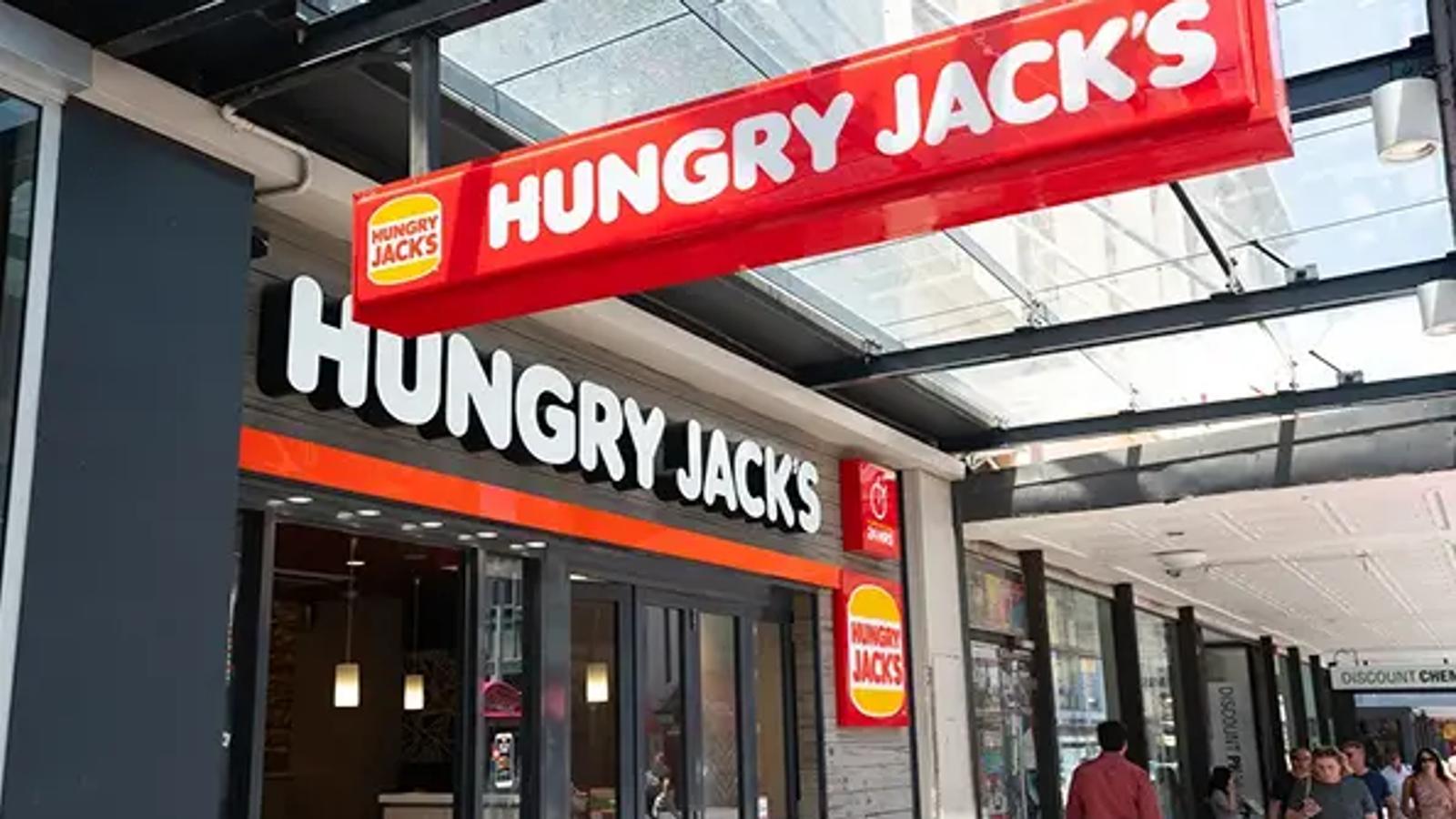
Hi Auto provides the technology that powers Hungry Jack's AI ordering assistant. Softobiz supported the integration, data and operational engineering around the initiative. Softobiz's programme story reports 20% lower drive-through wait time.
From customer order to store decision.
An order needs clarification
An ordering assistant captures the request and checks the available menu. Ambiguous items or changes pass to a crew member before the order reaches the kitchen.
Stock and demand move out of step
POS and inventory feeds inform demand forecasts by store and daypart. Managers review exceptions before adjusting replenishment or staffing.
A location needs attention during service
A shared operations view brings together throughput, wait times and store alerts. The responsible team can investigate the underlying signals and decide what to change.
Rollout and reliability across the estate.
We plan deployment around your store types, channels and service patterns, with operational validation before each rollout stage.
Payment flows are designed to PCI-DSS controls, customer data stays within the permissions the customer granted, and the platform is observable enough that when something drifts at store level, your team can investigate and respond.
- Engineered for peak load across the full estate
- PCI-DSS payment flows with tokenized cardholder data
- Consent-first loyalty and personalization
- Store-level observability, estate-level rollups
A team that retains your operating context.
Two national QSR chains run on one bench: Hungry Jack's across four workstreams, and another national QSR group through a dedicated capability centre whose pod already knows drive-through timing, loyalty mechanics, POS integration and franchise rollout.
That is the point of the model: engineers who learned QSR stay in QSR. You can also start narrow with a packaged conversational AI assistant and expand from there.
Questions about QSR technology.
We begin by reviewing your interfaces, data access and store workflows. The integration plan identifies what can be reused and where an adapter or system change is needed.
We define clarification and crew-handoff rules with your operations team. Menu availability, order changes and unsupported requests are part of the workflow design.
Yes. A bounded rollout lets your team evaluate service impact and support needs before deciding how to extend it across the estate.

Discuss your restaurant technology priorities.
Tell us which part of the operation you want to improve. We can review the systems, data and rollout approach with your team.